
Introduction
Upland is a city-builder and virtual property trading game built on the EOS blockchain, with its Sparklet token also tradable on Ethereum and Base. Players acquire virtual properties mapped to real-world addresses, develop them with buildings and services, and take part in a shared, persistent city economy. The game is free-to-play with optional purchases and has reported over 3 million sign-ups and more than 20 million USD in player-to-player trades to date.
Setting
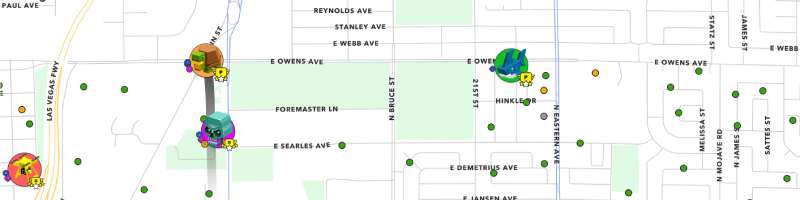
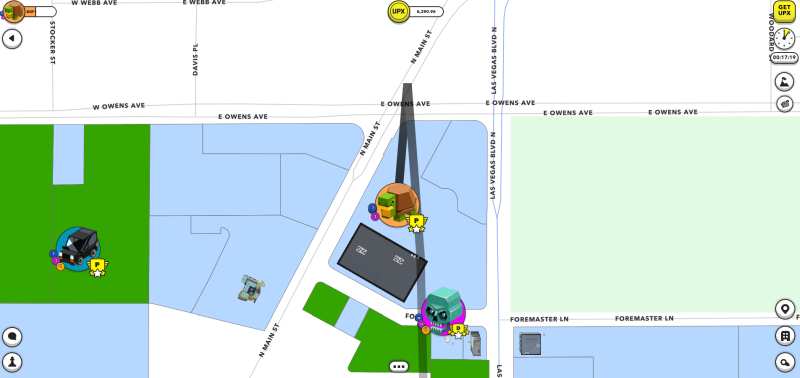
Upland’s world mirrors real cities, with the map divided into neighbourhoods and districts tied to actual street addresses. Properties, shops, vehicles, and decor sit on a stylised version of real-world geography, and cities expand over time through phased releases rather than seasonal wipes. Residents called Uppies live in these neighbourhoods, progressing through stages as their needs are met. Seasonal events add themed visuals and structures without changing the contemporary, real-world tone.
Gameplay
The core objective is to build and manage a portfolio of properties, developing them with homes, businesses, and services while contributing to neighbourhood growth. Players buy and sell properties, join new city openings, and coordinate on shared construction projects rather than competing head to head. Block Explorers roam the map to discover locations and collect Troves, items used to meet resident needs and advance Uppie progression through several life stages.
- Construction Hub contracts – property owners post building jobs that other players can accept if they own the matching blueprint, letting builders construct on an owner’s behalf.
- Exploration and Troves – send Block Explorers to new locations to collect Troves, then spend them to fulfil resident needs and unlock Uppie progression.
- Seasonal events – time-limited seasons add missions, leaderboards, and collectible drops, with rewards paid in UPX or event-specific items.
Economy
Upland’s economy runs on UPX as an in-game currency and Sparklet as a tradable ERC-20 token bridged between Upland, Ethereum, and Base. UPX covers property purchases, fees, and most gameplay transactions and stays inside the game rather than moving to external markets. Sparklet fuels construction, manufacturing, and vehicle travel, with a maximum supply of 1 billion and a vesting schedule intended to unfold over several years based on activity.
- In-game vs tradable assets – UPX is not intended for off-platform trading, while Sparklet exists both in-game and on-chain, tradable on supported exchanges.
- Properties and NFTs – properties, vehicles, decor, and player-made items mint as NFTs that trade peer to peer or, for eligible assets, list for USD with KYC-based withdrawals.
- Builder economy – the Construction Hub lets property owners post paid contracts that other players can accept if they hold the matching blueprint, adding a specialization-based income path beyond direct sales.



User Reviews
There are no reviews yet. Be the first one to write one.
Leave a Review
Game Info
Token
Socials



Distribution Channels


NFT Markets
User Reviews
0 Comments