NFT games are games where certain in-game assets, such as characters, cards, skins, land, or equipment, are represented by blockchain tokens. The term predates the broader “Web3 games” label that many studios now prefer, but it remains useful for describing games where tradable or wallet-held assets are part of the core design. This guide covers what NFT games are, how the tokens are used, what you may need to play, and the practical checks worth making before you spend time or money.
On this page
What are NFT games?
How NFTs are used in games
Common NFT game assets
Do you need a wallet to play?
Are NFT games free to play?
Can players earn rewards?
Marketplaces and trading
Risks and practical checks before playing
NFT games vs Web3 games
Where to find active NFT and Web3 games
FAQ
What Are NFT Games?
An NFT game links certain in-game assets to blockchain tokens. A non-fungible token is a unique record on a blockchain, distinct from currencies where each unit is interchangeable. In an NFT game, this token can represent a character, a card, a piece of equipment, or another asset tied to a specific wallet rather than a central server account.
A token can confirm that a wallet holds a specific item, but whether that item remains useful depends on the game, the developer, and ongoing support. If a game shuts down or removes support for an asset, the token typically stays in the wallet while its in-game function disappears.
How NFTs Are Used in Games
Games handle NFTs in different ways:
- Some games represent characters, cards, gear, or collectibles as NFTs from the start.
- Others mint an NFT only when a player decides to move or trade an item outside the game.
- Many titles keep most progress and in-game currency off-chain, using NFTs only for a specific set of tradable assets.
The blockchain records who holds what, but it does not by itself determine whether an item is rare, useful, or worth anything. Those qualities still depend on the game’s design and how many players want the asset.
Common NFT Game Assets
NFT items in games cover several categories:
- Characters or playable units
- Cards used in card games or deck-builders
- Equipment, weapons, and armor
- Cosmetics and skins
- Virtual land or in-game property
- Event-specific or seasonal collectibles
For a more detailed breakdown of NFT item types and how they function, see our guide to NFT items in games.
Do You Need a Wallet to Play NFT Games?
It depends on the game. Some titles let you create an account and start playing without any crypto setup, requiring a wallet only if you later want to buy, sell, mint, or withdraw assets. Others ask for a connected wallet before you can play.
Where a wallet is needed, keep a few things in mind:
- Install wallets only from official sources.
- Store recovery phrases securely and never share them.
- Confirm current wallet setup steps on the game’s official site, since requirements change.
Requirements vary by blockchain and game. Do not follow wallet instructions from unofficial sources.
Are NFT Games Free to Play?
There is no standard model. Options currently found across games include:
- Free to start, with NFTs optional or unlockable through play
- Required starter asset or pack purchase before accessing core gameplay
- Free account with paid NFT features layered on top
Many models in use today differ from what was common in 2021 and 2022. Older guides or reviews may describe requirements that no longer apply. Check the official game site for current entry requirements and any network fees that may apply when moving or claiming assets.
Can Players Earn Rewards?
Some NFT games include reward mechanics, such as items, tokens, or points earned through play, tournaments, or seasonal events. This is one feature some games offer, not a reason to approach NFT games as a source of income.
Reward rates can change or be removed. What a reward is worth depends on other players wanting it and on active marketplace demand. Treat any earning as uncertain and secondary to whether the game is worth playing on its own terms.
Marketplaces and Trading
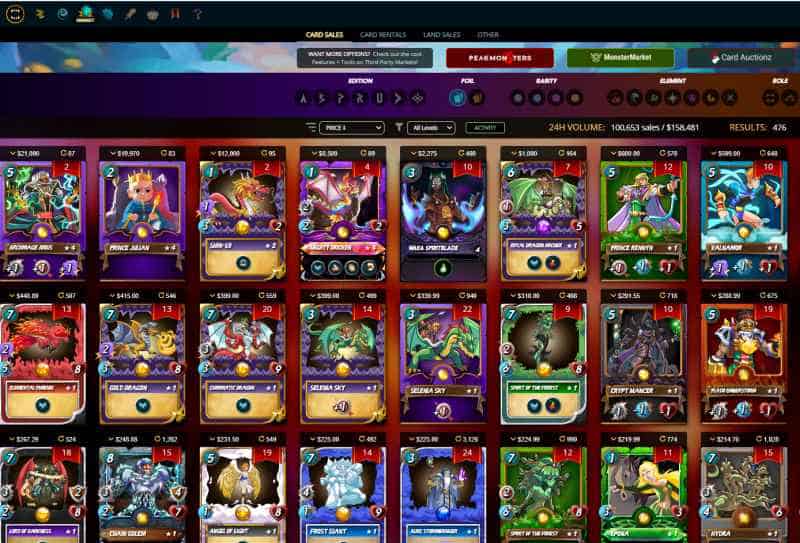
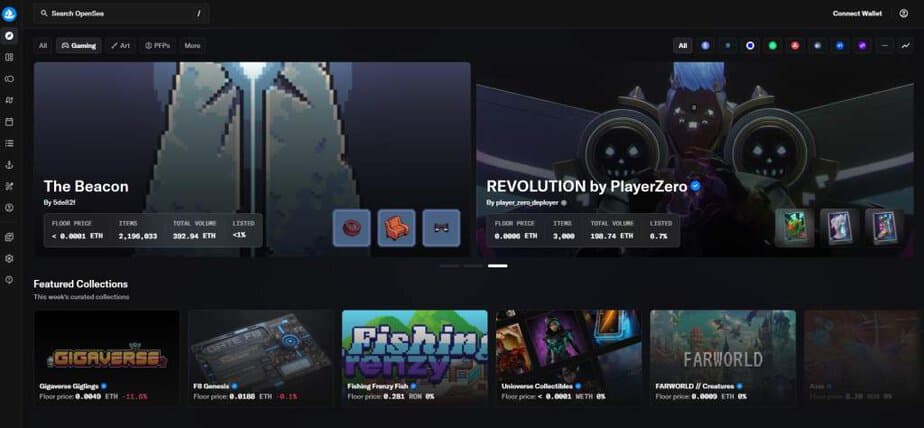
When a game supports trading, NFT items can be bought and sold on in-game markets or on third-party marketplaces that handle assets from a given blockchain.
Before trading, keep in mind:
- A listing price reflects what someone is asking, not what you will receive.
- Thinly traded assets may be difficult to sell at any price.
- Fake and copied collections are common on open marketplaces. Confirm you are using the official collection for the game before purchasing.
- Platform availability, fees, and interfaces change over time. Verify current details through official channels.
Risks and Practical Checks Before Playing
Before committing time or money:
- Game availability can change. Studios pause or shut down projects. An asset is only as useful as the game supporting it.
- Utility is not guaranteed. Items that matter today can be removed or changed by a developer update.
- Markets can become illiquid. There is no guarantee that any NFT can be sold for a meaningful amount.
- Wallet and transaction mistakes can be difficult or impossible to reverse. Fees, approvals, and key management require more care than standard games.
- Details go stale. Requirements, supported networks, and official links change. Verify through the project’s current official channels.
- Be cautious with pressure tactics, unsolicited giveaways, and unofficial links.
Treat anything involving payment as money you are prepared to lose.
NFT Games vs Web3 Games
“NFT games” typically refers to games where certain in-game items are represented as blockchain tokens. It describes a specific technical design choice.
“Web3 games” is a broader label for games that use blockchain technology in any form, which can include NFT items but may also include crypto tokens, on-chain records, wallet login, or other blockchain-adjacent systems. Many studios now use “Web3 games” as their preferred description.
The two terms overlap in practice. A game can be both. If you see “Web3 games” where you expected “NFT games,” they are often describing the same title.
For a broader overview of the Web3 gaming category, see our Web3 games guide.
Where to Find Active NFT and Web3 Games
To find NFT and Web3 games that are currently live, use the BlockchainGames.fun discovery pages:
- Full blockchain games list — browse games across blockchains, genres, and status
- Best blockchain games — curated lists by genre and ecosystem
Use these pages as a starting point, then confirm each game’s current status on its official channels. The number of active projects changes regularly.
FAQ
Are NFT games the same as Web3 games?
Not exactly. NFT games specifically use blockchain tokens to represent in-game items. Web3 games is a broader term covering any game with blockchain elements. Many NFT games are also described as Web3 games, and the terms often overlap in practice.
Do I need to buy an NFT before playing?
It depends on the game. Some require a starter asset or pack, while others are free to start and only involve NFTs if you choose to trade or mint items. Check the game’s official site for current requirements.
Can NFT game items lose value?
Yes. An NFT item’s value depends on game support, player demand, and active marketplace trading. There is no guarantee that any item will hold its value or remain tradable.
Are all NFT games play-to-earn?
No. Some NFT games include earning mechanics, but many focus on gameplay without a reward model. Play-to-earn was a common design in 2021 and 2022 but is not central to most current projects.